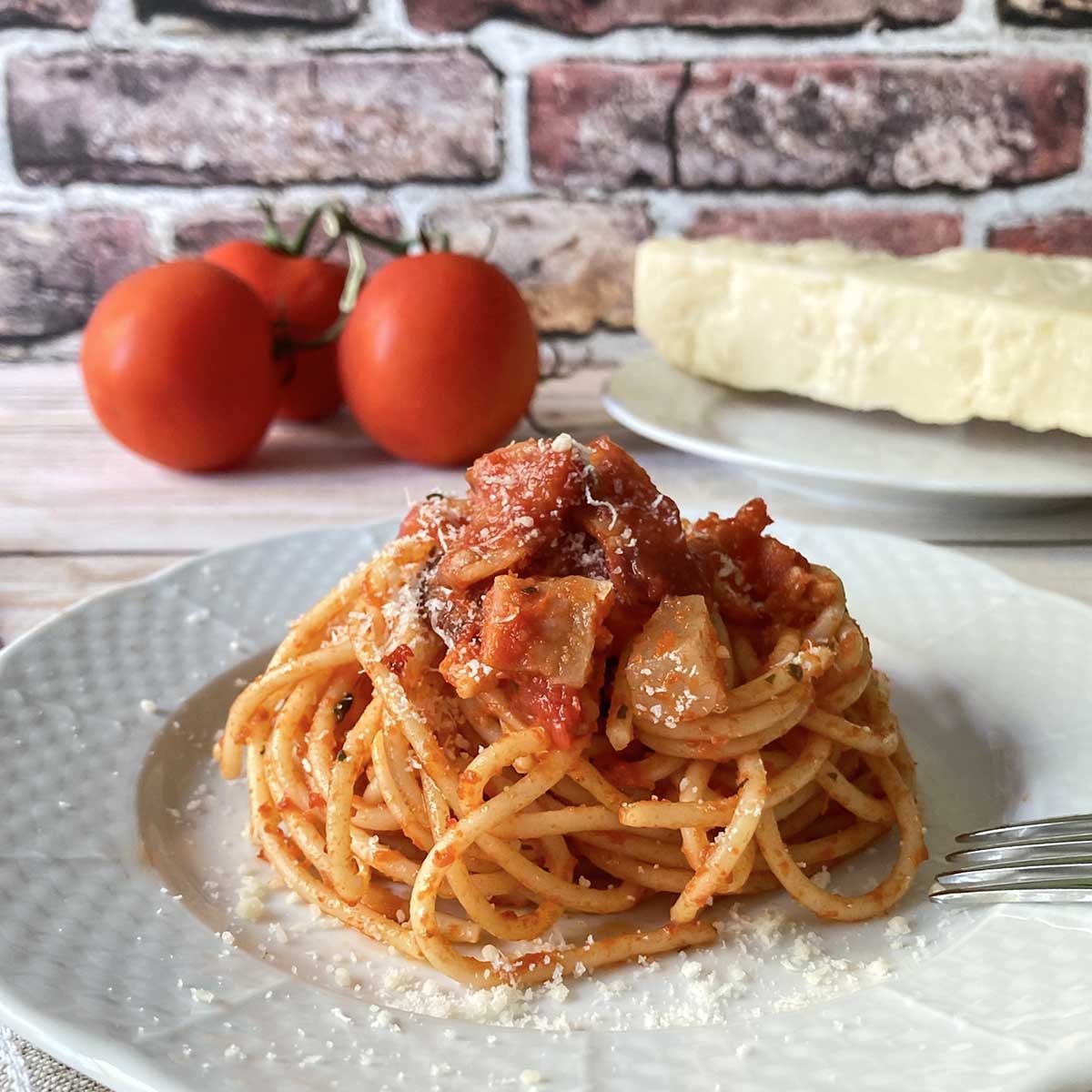
Amatriciana Essentials: Crafting a Roman Classic from Guanciale to Pasta
Few dishes encapsulate the rustic charm and robust flavors of Roman cuisine quite like Amatriciana. More than just a simple pasta sauce, Amatriciana is a culinary institution, deeply rooted in the traditions of Italy's Lazio region. Named after the picturesque town of Amatrice, this iconic Amatriciana sauce brings together a handful of humble ingredients to create a symphony of taste that has captured hearts worldwide. It's a testament to Italian cooking philosophy: exceptional flavor through quality ingredients and straightforward preparation.
At its core, authentic amatriciana sauce relies on a quartet of stars: crispy guanciale, luscious tomatoes, pungent Pecorino Romano cheese, and the perfect pasta pairing. While debates may rage about the inclusion of onions or garlic – a common discussion point among Italian cooks – the essence remains a beautiful balance of salty, savory, and sweet. Whether you're aiming for strict authenticity or a practical weeknight meal, understanding these fundamental elements is key to mastering this beloved Roman classic.
The Heart of Amatriciana: Understanding Guanciale
To truly appreciate the depth of amatriciana sauce, one must start with its most defining ingredient: guanciale. This cured pork jowl, distinct from pancetta or bacon, is the soul of the dish. Guanciale offers a unique fat composition and a richer, more profound flavor, often described as sweet, nutty, and intensely savory. Its curing process, typically involving salt, pepper, and sometimes herbs like sage or rosemary, imbues it with characteristics that no other pork product can perfectly replicate.
Why Guanciale Reigns Supreme
- Flavor Profile: Guanciale boasts a distinct, complex flavor that is less smoky than bacon and more robust than pancetta. Its fat renders beautifully, creating a silky base for the sauce.
- Texture: When rendered slowly, guanciale develops irresistibly crispy edges while maintaining a tender chew. These small, golden nuggets are crucial for textural contrast in every bite.
- Authenticity: In Amatrice and Rome, guanciale is non-negotiable for true Amatriciana. Its use is a nod to centuries of culinary tradition.
Guanciale Alternatives and How to Use Them
While guanciale is the traditional choice, it's not always readily available outside of Italy or specialty stores. In such cases, pancetta or even thick-cut, unsmoked bacon can serve as acceptable substitutes. However, be mindful of their differences:
- Pancetta: Cured pork belly, often rolled. It's less fatty and has a milder flavor than guanciale but is a closer alternative than bacon. Look for unsmoked varieties.
- Thick-Sliced Bacon: If using bacon, opt for high-quality, unsmoked, thick-cut varieties to minimize smoky notes that can overpower the delicate balance of the amatriciana sauce.
When cooking any of these, the key is to render the fat slowly over medium-low heat. This allows the fat to melt out, creating a flavorful oil for the sauce and leaving the pork deliciously crisp. Many recipes suggest removing the rendered crisp pieces of pork before adding other ingredients and reintroducing them at the end to maintain their crunch.
The Tangy Sweetness: Choosing Your Tomatoes
The tomato component of amatriciana sauce is equally vital, providing the essential acidity, sweetness, and vibrant color that define the dish. The choice of tomatoes, and their preparation, significantly impacts the sauce's final texture and flavor profile.
The San Marzano Advantage
For a truly exceptional Amatriciana, San Marzano tomatoes are widely considered the gold standard. These plum tomatoes, grown in the Agro Sarnese-Nocerino region of Italy, are prized for several reasons:
- Sweetness and Low Acidity: San Marzanos have a naturally balanced sweetness and lower acidity compared to other tomato varieties, contributing to a smoother, less sharp sauce.
- Fleshiness and Few Seeds: They are meaty with fewer seeds, yielding a higher proportion of pulp for a richer sauce.
- Texture when Cooked: San Marzanos break down beautifully when simmered, creating a rustic yet luscious sauce texture that coats pasta perfectly.
The "No Calcium Chloride" Rule
When selecting canned tomatoes, a crucial detail to look for is the absence of calcium chloride. This additive is used to help tomatoes retain their firmness during canning. However, for amatriciana sauce, you want the tomatoes to melt down and become quite soft, integrating seamlessly into the sauce. Cans labeled "Italian style" or certified San Marzano often omit this ingredient, ensuring your tomatoes achieve the desired consistency. For more tips on selecting and using tomatoes, especially for quick weeknight preparations, check out our guide on Quick Amatriciana: Weeknight Sauce Tips for San Marzano Tomatoes.
Fresh vs. Canned
While high-quality canned San Marzanos are consistently excellent, fresh tomatoes can be glorious, especially during peak summer season. If using fresh, choose ripe, field-grown varieties. You'll need to blanch them briefly in boiling water, then peel and deseed them before crushing or dicing. This extra prep work is rewarded with an incredibly fresh and vibrant flavor profile.
Crafting the Perfect Amatriciana Sauce: Steps and Debates
The making of amatriciana sauce is a simple art, but it's one where small details and age-old debates define regional variations. The core process involves building layers of flavor, starting with the rendered pork.
The Foundational Steps
- Render the Pork: Start by slowly sautéing diced guanciale (or chosen alternative) in a dry pan until it's crispy and its fat has rendered. For those seeking depth, a tiny splash of olive oil can aid this process, though guanciale often provides enough fat on its own. Remove the crispy pieces and set aside, reserving some of the rendered fat in the pan.
- Aromatics (The Great Debate): This is where Italian cooks passionately disagree.
- No Aromatics: The most traditional version from Amatrice often omits onion and garlic, allowing the guanciale and tomato to shine. This harks back to "Alla Gricia," the original Roman pasta dish made without tomatoes.
- Onion: Some recipes, particularly in Rome, include finely diced onion, sautéed until translucent in the rendered fat before adding tomatoes. The onion is sometimes removed before adding the tomatoes, leaving only its essence.
- Garlic & Chili: Others, like some Roman home cooks, might introduce a single crushed garlic clove and a pinch of dried chili pepper (peperoncino) for a subtle kick and aromatic depth. If using, add these after the pork is rendered and sauté gently to avoid burning, then remove the garlic before adding tomatoes if you prefer a milder flavor.
- Add Tomatoes: Carefully add your crushed San Marzano tomatoes to the pan. Be cautious of splattering. Stir well, bringing the sauce to a gentle simmer.
- Simmer and Season: Allow the amatriciana sauce to simmer for at least 15-20 minutes, or even longer (up to an hour), allowing the flavors to meld and the sauce to thicken slightly. Season with salt and freshly ground black pepper to taste. Remember that Pecorino Romano will add significant saltiness later.
Chef's Insight: Wine and Readiness
A splash of dry white wine, added after the aromatics (if using) and allowed to reduce, can deglaze the pan and add another layer of complexity to your amatriciana sauce. The sauce can be made a day or two ahead and reheated gently, making it an excellent option for busy weeknights.
The Perfect Pasta Pairings for Amatriciana
The choice of pasta for amatriciana sauce is not merely an afterthought; it's an integral component that ensures the sauce adheres beautifully and is distributed evenly with every bite.
Bucatini: The Traditional Choice
Bucatini is arguably the most classic and celebrated pasta pairing for Amatriciana. This long, thick, hollow spaghetti-like pasta is ideal for several reasons:
- Sauce Retention: Its hollow center acts like a straw, capturing generous amounts of the rich amatriciana sauce inside and out.
- Hearty Texture: The substantial bite of bucatini stands up well to the robust flavors and chunky elements of the sauce.
Versatile Alternatives
While bucatini is traditional, other pasta shapes can also create a fantastic dish:
- Spaghetti: The widespread favorite, spaghetti's long strands intertwine beautifully with the sauce, offering a satisfying slurp.
- Penne Rigate: These ridged, tubular pasta shapes are excellent for capturing both the sauce and the crispy bits of guanciale within their grooves and hollows.
- Rigatoni: Similar to penne but larger, rigatoni offers an even heartier option for a truly substantial meal.
Finishing the Dish
Regardless of your pasta choice, the final steps are crucial:
- Al Dente Perfection: Cook your pasta in generously salted boiling water until it's just shy of al dente.
- Combine and Toss: Drain the pasta, reserving some of the starchy pasta water. Add the pasta directly to the pan with the amatriciana sauce.
- Emulsify: Toss vigorously, adding a splash or two of the reserved pasta water as needed. This helps to emulsify the sauce, creating a glossy, cohesive coating for the pasta.
- The Final Flourish: Stir in a generous amount of freshly grated Pecorino Romano cheese (and the reserved crispy guanciale pieces, if held back), tossing until thoroughly combined. The cheese will melt slightly, contributing its sharp, salty notes.
Serve immediately, garnished with more Pecorino Romano and a sprinkle of fresh black pepper, allowing each diner to savor the rich, complex flavors of this Italian masterpiece.
Conclusion
Amatriciana is more than just a recipe; it's a culinary journey rooted in tradition, passion, and the celebration of simple yet profound flavors. By understanding the critical roles of high-quality guanciale (or suitable alternatives), ripe San Marzano tomatoes, and the perfect pasta pairing, you unlock the secrets to a truly authentic and satisfying amatriciana sauce. Whether you adhere strictly to tradition or adapt it slightly to your taste and available ingredients, the essence of this beloved Roman dish lies in its robust flavors and the joy it brings to the table. Embrace the simplicity, respect the ingredients, and prepare to be transported to the heart of Italy with every forkful.
