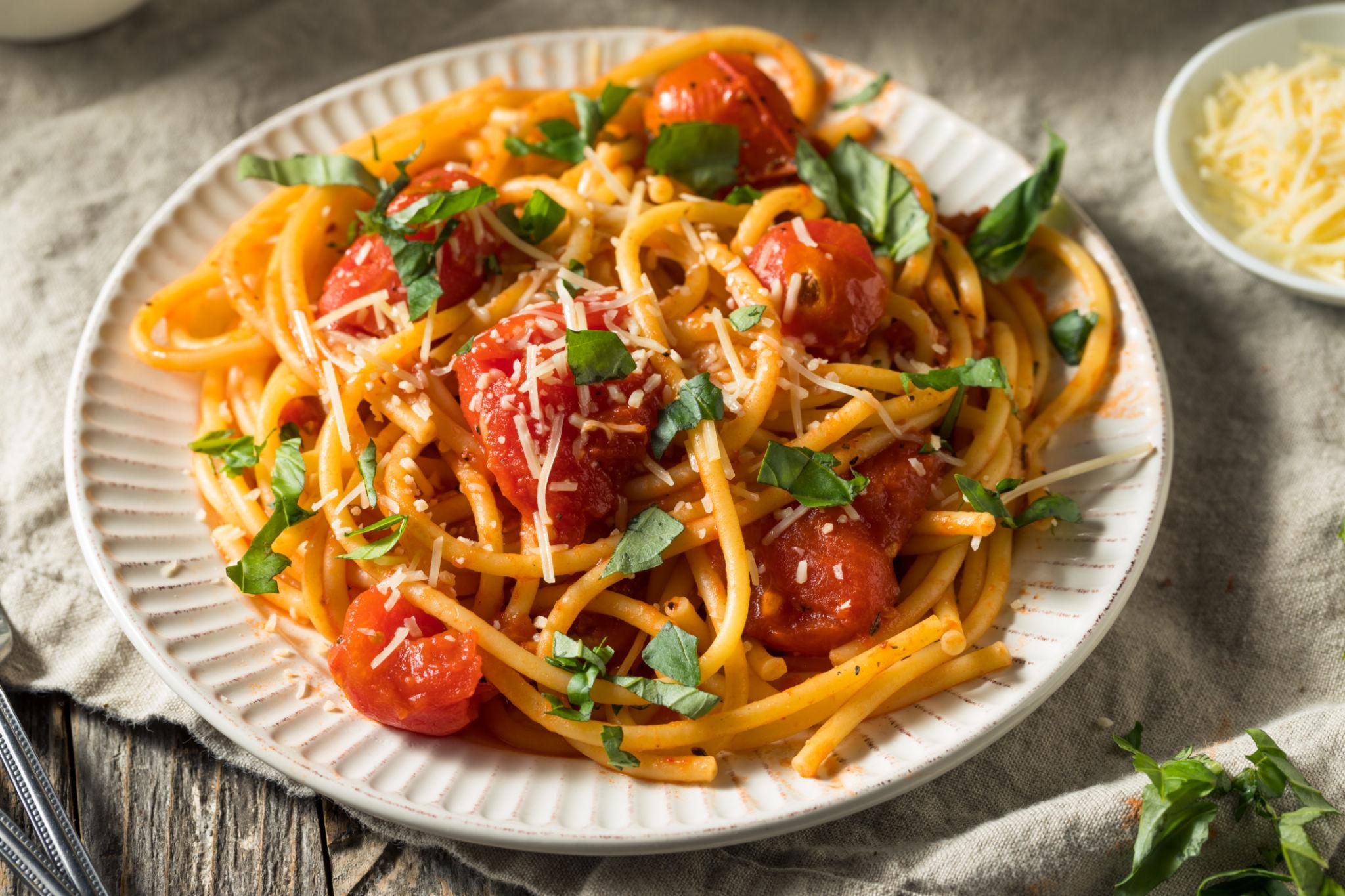
Amatriciana Sauce: Roman Tradition, Pancetta, & Guanciale Debate
Few dishes encapsulate the rustic charm and passionate debates of Italian cuisine quite like amatriciana sauce. This iconic pasta condiment, deeply rooted in the culinary traditions of central Italy, offers a compelling blend of simplicity and robust flavor. More than just a recipe, amatriciana sauce represents a centuries-old legacy, a testament to the power of a few high-quality ingredients harmonized to create something truly unforgettable. While its core elements – cured pork, tomatoes, and Pecorino Romano cheese – remain constant, the specific choices within these categories ignite spirited discussions among chefs, home cooks, and purists alike, particularly concerning the type of pork and the inclusion of aromatics.
Hailing from Amatrice, a small town nestled in the province of Rieti near Rome, the sauce's heritage is one of humble origins that blossomed into a Roman culinary staple. Its journey from a shepherd's simple meal, known as *Gricia* (which notably lacked tomatoes), to the vibrant, tomato-rich sauce we adore today, is a fascinating story of culinary evolution. Mastering amatriciana sauce isn't just about following steps; it's about understanding its soul, respecting its heritage, and perhaps, even finding your own preferred interpretation.
The Roman Heart of Amatriciana: A Culinary Legacy
The story of amatriciana sauce begins in Amatrice, a mountain town whose hearty cuisine reflected the rugged life of its inhabitants. Originally, the dish, known as *Sugo all'Amatriciana* or *Pasta all'Amatriciana*, was a simple, tomato-less preparation called *Gricia*. This "white" amatriciana, still found in some Roman trattorias, combined cured pork, Pecorino Romano, and black pepper, often with a splash of the pasta's cooking water to create a creamy emulsion. The introduction of tomatoes to the New World, and their gradual acceptance into Italian cooking from the 17th century onwards, led to the birth of the red amatriciana we recognize today.
Despite its origins in Amatrice, the sauce found its true fame and widespread popularity in Rome, becoming one of the "four Roman pastas" alongside Carbonara, Cacio e Pepe, and Gricia. Its reputation for being a comforting, flavorful, yet uncomplicated dish made it a favorite for weeknight dinners and celebratory meals alike. The beauty of authentic amatriciana sauce lies in its philosophy: a few, high-quality ingredients, treated with respect, can yield extraordinary results. This dedication to ingredient integrity is paramount, making the choice of each component a decision of significant culinary weight.
Guanciale vs. Pancetta: The Great Pork Debate
At the very core of any discussion about authentic amatriciana sauce is the debate between guanciale and pancetta. For Roman purists, there is no debate: guanciale is the only acceptable choice. Guanciale, derived from cured pork jowl, possesses a uniquely rich, nuanced flavor and a melt-in-your-mouth texture that sets it apart. Its fat renders beautifully, infusing the sauce with an unparalleled depth and aroma that cannot be replicated by any other ingredient.
Pancetta, on the other hand, is cured pork belly. While delicious in its own right and a staple in many Italian dishes, it lacks the specific character and concentrated flavor of guanciale. Its fat composition and curing process differ, resulting in a slightly milder taste. For those outside Italy, finding authentic guanciale can sometimes be a challenge, making pancetta a widely accepted and excellent substitute. Some home cooks even resort to thick-sliced bacon, though this is the furthest deviation from tradition, offering a smoky flavor profile that alters the sauce significantly. If opting for pancetta, seek out unsmoked varieties to stay closer to the original flavor profile.
When cooking, the technique for rendering the pork is crucial. Slowly sautéing the diced guanciale or pancetta allows the fat to render out, becoming crispy and golden. Some traditional methods advise removing the crispy pork from the pan, discarding most of the rendered fat, and then adding a fresh drizzle of olive oil before proceeding with the aromatics. This approach, advocated by some esteemed Italian cooks, prevents the sauce from becoming overly greasy and allows the delicate flavors of garlic and chili to shine, rather than being overwhelmed by pork fat. Others prefer to leave all the rendered fat in, allowing it to emulsify with the tomatoes and pasta water, creating a richer sauce. It often comes down to personal preference, but understanding the nuance can elevate your dish.
The Art of the Tomato: Why Your Choice Matters
The transition from *Gricia* to amatriciana sauce hinged entirely on the addition of tomatoes, and their quality is non-negotiable. For the most authentic and flavorful experience, San Marzano tomatoes are the gold standard. These plum tomatoes, grown in the volcanic soil of the Sarno River valley near Naples, are celebrated for their balanced sweetness, low acidity, and thick, meaty flesh. Their characteristics allow them to break down beautifully into a rich, velvety sauce without becoming watery or overly tart. When selecting canned tomatoes, look for those specifically labeled "San Marzano" and ideally, those without added calcium chloride, an ingredient that keeps tomatoes firmer, which is contrary to the desired soft, melty texture for amatriciana.
While canned San Marzanos are preferred for their consistency, ripe, fresh field tomatoes can be a superb alternative during peak summer season. Using fresh tomatoes requires a bit more preparation: they need to be blanched briefly in boiling water, peeled, and deseeded before being crushed and added to the sauce. This extra effort is richly rewarded with the vibrant taste of seasonal produce. Whichever you choose, the goal is a sauce where the tomatoes have "melted down a bit and are quite soft," forming a harmonious base for the other flavors. For more detailed insights on selecting the perfect tomatoes and mastering their use in this Roman classic, consult our article on Amatriciana Essentials: Guanciale, Tomatoes, and Pasta Pairings.
Building the Flavor Base: Onions, Garlic, and Chili
Beyond the pork and tomatoes, the aromatic base of amatriciana sauce is another point of lively debate. Traditionally, some versions of amatriciana in Amatrice included finely diced onion, providing a subtle sweetness and depth. However, in Rome, a simpler approach often prevails, with many cooks omitting onion entirely or replacing it with just a touch of garlic. The references suggest that "there are constant fights about using onions or garlic" and that "recipes change every few kilometers."
Many Italian cooks favor the "trinity" of garlic, olive oil, and chili as a foundational flavor base, often called *Aio Oio* in Romanesco dialect for its simplicity. For amatriciana, a crushed or thinly sliced clove of garlic, gently cooked in olive oil (or the rendered pork fat), can add a wonderful fragrant note without dominating. A tiny dried chili pepper, or a pinch of red pepper flakes, provides a crucial hint of warmth and spice that balances the richness of the pork and cheese. The key is to cook the garlic slowly and gently, allowing its flavor to infuse the oil without browning or burning, which can turn it bitter.
Some recipes also call for a splash of white wine to deglaze the pan after the pork has been sautéed and the onions/garlic added. This adds another layer of complexity, lifting the browned bits from the bottom of the pan and contributing a subtle acidity that brightens the sauce.
Mastering the Amatriciana: Tips for a Perfect Dish
Bringing all these elements together requires attention to detail and a passion for flavor. Here are some essential tips for mastering your amatriciana sauce:
- Pasta Choice: While bucatini, a thick, hollow spaghetti-like pasta, is the traditional choice due to its ability to capture and hold the sauce, spaghetti or penne rigate (with lines) are also excellent alternatives. Ensure your pasta is cooked *al dente* and finished directly in the sauce.
- Pecorino Romano: This salty, tangy sheep's milk cheese is non-negotiable. Grate it fresh just before serving. Its sharp flavor cuts through the richness of the pork and tomato, creating a perfect balance.
- Cooking Technique: Start by rendering the guanciale or pancetta until crispy. If using, remove the pork and prepare your aromatics (onion/garlic/chili) in the same pan, potentially after discarding some fat and adding fresh olive oil. Add the crushed tomatoes, and simmer the sauce gently until it thickens and the flavors meld – this can take 20-30 minutes.
- Finishing Touch: Just before the pasta is fully cooked, transfer it directly to the simmering amatriciana sauce. Add a ladle or two of the starchy pasta cooking water. Toss vigorously to emulsify the sauce, allowing it to cling beautifully to every strand of pasta. This step is crucial for achieving that authentic, restaurant-quality coating.
- Make-Ahead Potential: Amatriciana sauce can be prepared a day or two in advance. Store it in an airtight container in the refrigerator. When ready to serve, gently reheat the sauce and proceed with cooking your pasta and finishing the dish as described above. For more on quick preparation and ingredient hacks, check out our guide on Quick Amatriciana: Weeknight Sauce Tips for San Marzano Tomatoes.
Ultimately, amatriciana sauce is a dish that invites personal interpretation within the bounds of tradition. Whether you adhere strictly to guanciale and no garlic, or embrace pancetta and a hint of chili, the true spirit of amatriciana lies in celebrating simple, quality ingredients and the joy of sharing a deeply flavorful meal.
