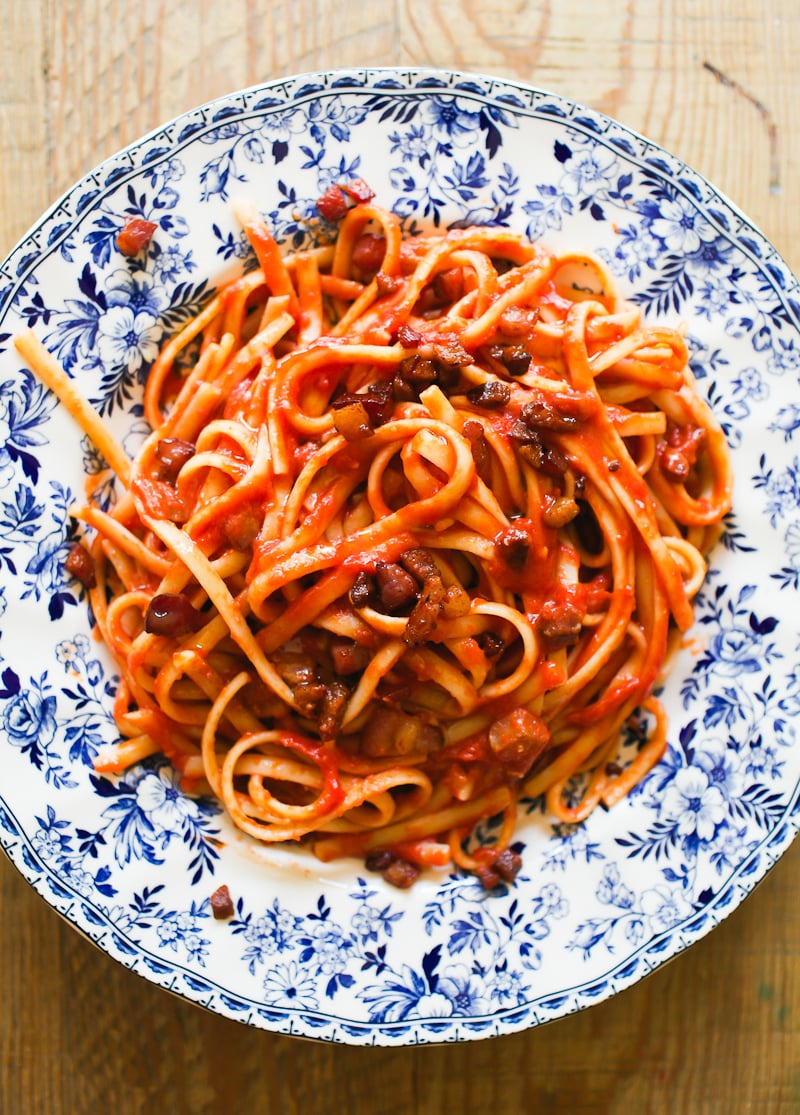
Quick Amatriciana: Weeknight Sauce Tips for San Marzano Tomatoes
Imagine a bustling weeknight, the clock ticking, and a craving for something deeply satisfying, authentically Italian, and surprisingly quick to prepare. Enter Amatriciana sauce – a classic Roman pasta condiment that perfectly marries savory pork, bright tomatoes, and a punchy cheese. Far from being an intimidating, slow-cooked masterpiece, a truly great Amatriciana can be on your table faster than you might think, especially when you arm yourself with the right ingredients and a few clever weeknight tips. Our focus today? Harnessing the power of the humble San Marzano tomato to craft an irresistible sauce that makes an ordinary Tuesday feel like a Roman holiday.
This isn't just another pasta dish; it's a testament to Italian culinary philosophy: fewer, higher-quality ingredients combined simply to achieve extraordinary flavor. For busy home cooks, mastering a speedy yet authentic Amatriciana means unlocking a secret weapon for delicious, no-fuss meals that will undoubtedly become a staple in your dinner rotation.
The Heart of Amatriciana: Understanding Core Ingredients
The magic of amatriciana sauce begins with its foundational components, each playing a critical role in building its signature flavor profile. Originating from the town of Amatrice, near Rome, the sauce's heritage is steeped in tradition, yet its core ingredients lend themselves beautifully to modern weeknight adaptation.
Guanciale, Pancetta, or Bacon: The Pork Perspective
At the very essence of Amatriciana is cured pork. Traditionally, this means guanciale – cured pork jowl. Its unique fat structure and rich flavor, when slowly rendered, create an unparalleled depth that forms the backbone of the sauce. However, accessibility can be a challenge. For a weeknight rendition, pancetta (Italian cured pork belly) is an excellent, widely available substitute. Look for a good quality, unsmoked pancetta, often found in deli sections. If all else fails, a thick-cut, unsmoked bacon can serve as a decent stand-in, though it will impart a slightly different, smokier flavor. The key, regardless of your choice, is to render the pork slowly until crisp, coaxing out its delicious fat that will then serve as the flavor base for the entire sauce. For a deeper dive into this crucial debate, read our article on Amatriciana Sauce: Roman Tradition, Pancetta, & Guanciale Debate.
The San Marzano Secret: Tomatoes That Melt
Perhaps the most critical component for a quick and flavorful amatriciana sauce is the choice of tomatoes. And here, we sing the praises of San Marzano tomatoes. These elongated, sweet, and low-acid plum tomatoes from Italy's Agro Sarnese-Nocerino region are renowned for their superior flavor and texture. When canned whole, they are ideal for sauces because they break down beautifully, creating a silky, tender consistency without excessive simmering.
Why San Marzano? Many canned tomatoes contain calcium chloride, an additive designed to keep them firm. While useful for diced tomatoes in salads, it's the enemy of a velvety Amatriciana. San Marzano tomatoes, or indeed many quality cans labeled 'Italian style' that specify 'no calcium chloride,' will cook down and melt into the sauce, rather than retaining a chunky texture. This soft, yielding quality is precisely what you want for an authentic Amatriciana, ensuring the sauce coats the pasta perfectly. While fresh, ripe field tomatoes are fantastic in summer (albeit requiring blanching and peeling), for weeknight speed and consistent results, canned whole San Marzano tomatoes are your best friend.
Pecorino Romano and Aromatics: The Finishing Touches
No amatriciana sauce is complete without a generous grating of Pecorino Romano cheese. This sharp, salty sheep's milk cheese adds a distinctive tang and richness that balances the sweetness of the tomatoes and the savoriness of the pork. For aromatics, tradition varies. Some Roman versions champion onion, while others omit it entirely or opt for garlic. For a weeknight boost, a finely diced small onion, or a couple of crushed garlic cloves (or even a combination), can add a wonderful aromatic layer. A touch of dried chili pepper, or peperoncino, is also a welcome addition for those who enjoy a subtle kick.
Mastering the Weeknight Workflow: Step-by-Step Simplicity
The beauty of a quick amatriciana sauce lies in its straightforward technique. With quality ingredients at hand, it’s a harmonious dance of building layers of flavor in rapid succession.
- Crispy Pork First: Begin by dicing your guanciale, pancetta, or bacon into small strips or cubes. Place them in a cold pan over medium-low heat. This slow rendering process is crucial; it allows the fat to melt out slowly, resulting in perfectly crisp pork bits and a flavorful pool of fat. Once golden and crisp, remove the pork with a slotted spoon and set aside, reserving the rendered fat in the pan.
- Aromatic Base: Depending on your preference and the fat content of your pork, you might discard some of the rendered fat and add a touch of extra virgin olive oil. Now, add your chosen aromatics – finely diced onion, thinly sliced garlic, or a pinch of chili flakes. Sauté gently until softened and fragrant, taking care not to burn the garlic. A quick deglaze with a splash of white wine (an optional but delightful addition) can lift any flavorful bits from the bottom of the pan.
- Tomato Time: Take the pan off the heat for a moment before adding your whole canned San Marzano tomatoes. This prevents splattering and allows for safer handling. Crush the tomatoes with the back of a fork or your hands (if you're brave!). Return the pan to the heat and let the sauce simmer gently for about 15-20 minutes. For a weeknight, this relatively short simmer is perfectly acceptable, allowing the flavors to meld without requiring hours on the stove. The 'no calcium chloride' nature of San Marzanos means they'll break down beautifully even in this timeframe.
- Pasta Perfection: While your sauce simmers, bring a large pot of salted water to a rolling boil for your pasta. Bucatini, a thick spaghetti with a hole through the center, is the traditional choice for Amatriciana, but spaghetti or penne rigate also work wonderfully. Cook the pasta until just al dente, reserving about a cup of the starchy pasta water before draining.
- Bringing It All Together: Add the cooked pasta directly to the pan with the simmering amatriciana sauce. Toss vigorously, adding a splash or two of the reserved pasta water to help emulsify the sauce and create a luscious coating. Stir in most of your crispy pork bits and a generous handful of grated Pecorino Romano. Toss again until everything is beautifully combined and the sauce clings to the pasta.
Beyond the Basics: Tips for Flavor Depth and Customization
While the core recipe for amatriciana sauce is elegantly simple, there are always ways to fine-tune it to your palate and schedule, transforming a good meal into a truly memorable one.
- Adjusting the Heat: The addition of chili pepper (peperoncino) is highly personal. Start with a small pinch for a subtle warmth, or add more to truly ignite the sauce. You can use dried flakes or, if available, a fresh small red chili, finely sliced.
- Pasta Pairing Power: As mentioned, bucatini is traditional, its hollow center providing extra surface area to capture the rich sauce. However, spaghetti offers a classic slurp-worthy experience, and penne rigate (with its ridges) is excellent for scooping up every last drop. Experiment to find your favorite. For more details on finding the perfect match, check out our guide on Amatriciana Essentials: Guanciale, Tomatoes, and Pasta Pairings.
- Make-Ahead Magic: One of the best weeknight hacks is making the sauce ahead of time. The amatriciana sauce can be prepared a day or two in advance and stored in the refrigerator. When ready to eat, gently reheat the sauce while your pasta cooks, and then proceed with combining as usual. The flavors often deepen beautifully with a little time.
- The Fresh Tomato Factor: If you're lucky enough to be cooking during peak summer when ripe, juicy field tomatoes are abundant, don't hesitate to use them. While they require blanching and peeling, their unparalleled freshness can elevate the sauce to new heights. However, for sheer convenience and consistent quality, especially outside of harvest season, canned San Marzano remain supreme.
- Quality Olive Oil: Though the pork fat provides much of the richness, a drizzle of good quality extra virgin olive oil, particularly when sautéing aromatics or as a final flourish, can add a layer of peppery freshness and fruity complexity.
Savoring Your Weeknight Roman Masterpiece
Crafting a quick amatriciana sauce for a weeknight isn't about cutting corners; it's about making smart choices with quality ingredients and an efficient technique. By prioritizing San Marzano tomatoes that effortlessly melt into a luscious base and choosing your cured pork wisely, you can bring the robust, comforting flavors of Rome into your home with surprising ease. This isn't just a meal; it's an invitation to slow down, even on a busy evening, and savor the simple perfection of Italian cooking. So, grab your ingredients, fire up the stove, and prepare to be delighted by this truly special dish.
